
Quick question: Can you name the smallest country in the world?
If you said “Vatican City,” congratulations! You’re already smarter than 70% of people. But here’s the real challenge: Can you point to it on a map? Can you name five of the smallest countries in the world?
Most people can’t. And honestly? That’s not surprising.
These countries are so small that some of them would fit inside Central Park. Others are smaller than your local shopping mall. A few are so tiny that you could walk across the entire nation in less time than it takes to watch a movie.
But here’s what makes these micro-nations fascinating: despite their size, they’re fully functioning countries with their own governments, currencies, and cultures. Some are unbelievably wealthy. Others host Formula One races. One is literally inside another country’s capital city.
If you’ve ever felt bad about your geography skills (or if you just want to impress people at trivia night), this article is for you. We’re about to explore the smallest countries in the world—places so small that most people don’t even know they exist.
By the end of this post, you’ll not only know where these tiny nations are, but you’ll also discover fascinating facts that will make you want to visit them. Ready to meet the world’s tiniest countries?
Let’s go.
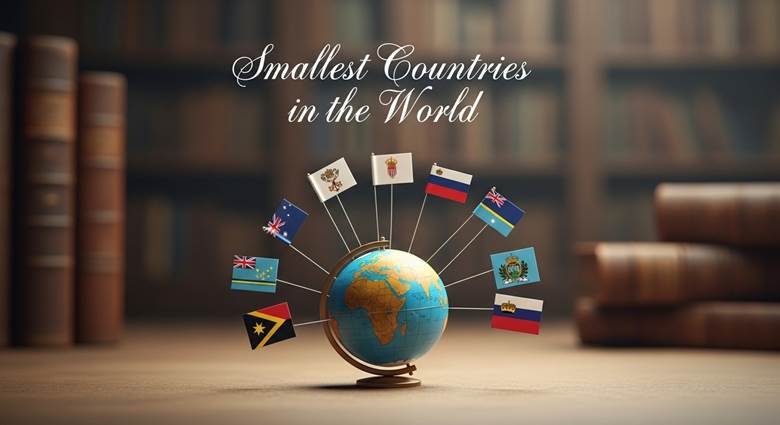
Why Small Countries Matter (More Than You Think)
Before we dive into the list, let’s talk about why these tiny nations are worth knowing about.
They Punch Above Their Weight
Monaco has more millionaires per capita than anywhere on Earth. Vatican City influences over 1 billion Catholics worldwide. San Marino claims to be the world’s oldest republic. These aren’t just small countries—they’re influential ones.
They’re Geographic Oddities
Some are landlocked within other countries. Others are island nations scattered across the ocean. A few exist because of historical accidents or diplomatic compromises.
They Challenge Our Definition of “Country”
What makes a country a country? These micro-nations make us think about sovereignty, borders, and what it really means to be independent.
They’re Surprisingly Easy to Visit
Unlike remote countries that require multiple flights and visas, many of these tiny nations are in Europe and the Caribbean—places you can actually visit on a normal vacation.
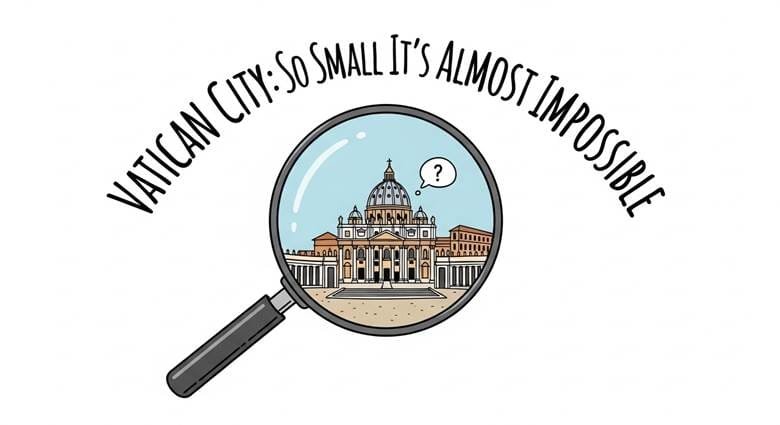
Vatican City: So Small It’s Almost Impossible
Size: 0.44 square kilometers (0.17 square miles)
Population: Approximately 825 people (though only about 500-600 actually live there)
Location: Inside Rome, Italy
Fun Fact: It’s 39 million times smaller than Russia
The Story
Vatican City isn’t just the smallest country in the world—it’s the smallest by a landslide. At 0.44 square kilometers, it’s smaller than most college campuses. To put this in perspective, Monaco (the second smallest) is still 4.5 times larger than Vatican City.
This micro-nation exists entirely within the city of Rome, Italy. It’s surrounded by walls that date back to the 9th century. The whole country consists of St. Peter’s Basilica, the Vatican Museums, the Sistine Chapel, some administrative buildings, and beautiful gardens.
Here’s the weird part: Vatican City has no permanent residents. Everyone who lives there has citizenship only because they work for the Catholic Church or the Holy See. When they stop working, they lose citizenship. It’s the only country where citizenship is entirely job-based.
Why It’s Hard to Find on a Map
Try finding a dot that represents 0.44 square kilometers on a world map. It’s literally smaller than a pixel. Even on maps of Italy, Vatican City is usually just labeled as part of Rome. You need a detailed map of Rome itself to actually see where it is.
The Numbers
- Area: 0.44 km² (0.17 sq mi)
- Population: ~825 people
- Tourists: Over 5 million visit annually
- Languages: Italian and Latin (yes, really)
- Currency: Euro
Why Visit
You don’t need a visa to enter Vatican City. Just walk in from Rome. The Vatican Museums house some of the world’s most incredible art, including Michelangelo’s Sistine Chapel ceiling. St. Peter’s Basilica is stunning. And you can say you’ve been to the smallest countries in the world.
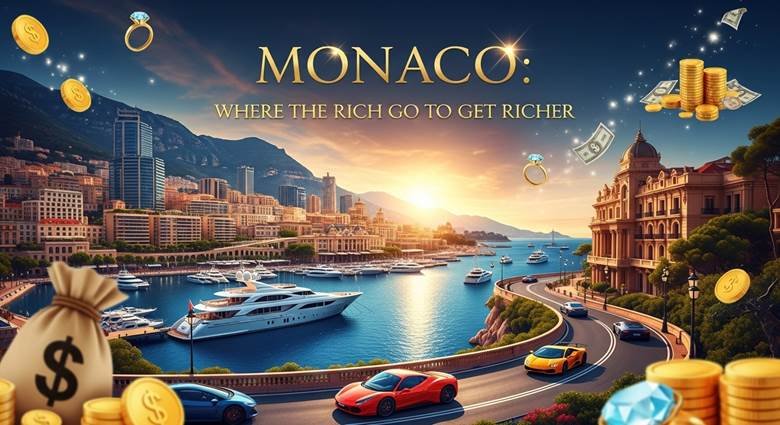
Monaco: Where the Rich Go to Get Richer
Size: 2.02 square kilometers (0.78 square miles)
Population: Approximately 39,000 people
Location: French Riviera, Mediterranean coast
Fun Fact: One in three residents is a millionaire
The Story
Monaco is basically what happens when you concentrate extreme wealth into the world’s second-smallest country. This tiny city-state on the French Mediterranean coast is famous for three things: casinos, Formula One racing, and being a tax haven.
The entire country is smaller than New York’s Central Park (which is 3.4 square kilometers). Yet Monaco manages to fit in:
- Luxury hotels and yachts
- The Monte Carlo Casino
- The Monaco Grand Prix circuit
- High-rise apartments
- Shopping districts
- Beautiful parks
Monaco is also the most densely populated country in the world. With 39,000 people crammed into 2 square kilometers, that’s about 19,500 people per square kilometer. For comparison, New York City has about 10,000 people per square kilometer.
Why It’s Hard to Find on a Map
Monaco is a tiny speck on the French coast. On most world maps, it’s completely invisible. Even on European maps, you need to look closely at the southern coast of France to spot it. It’s surrounded by France on three sides and the Mediterranean Sea on the fourth.
The Numbers
- Area: 2.02 km² (0.78 sq mi)
- Population: ~39,000
- GDP per capita: Over $185,000 (one of the highest in the world)
- Millionaires: About 12,000 (roughly 1 in 3 residents)
- Unemployment: Less than 2%
Why Visit
Monaco is ridiculously expensive, but it’s also gorgeous. The Monte Carlo Casino is iconic. The Monaco Grand Prix (held annually in May) is one of the most prestigious Formula One races. Plus, the weather is fantastic, and the Mediterranean views are stunning.
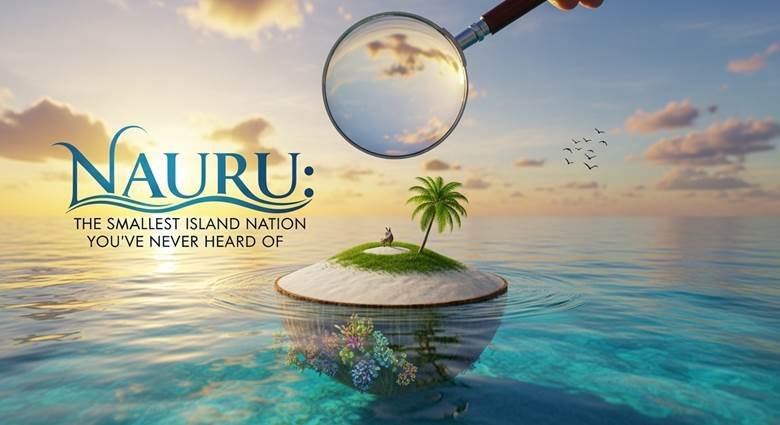
Nauru: The Smallest Island Nation You’ve Never Heard Of
Size: 21 square kilometers (8.1 square miles)
Population: Approximately 12,500 people
Location: Central Pacific Ocean, northeast of Australia
Fun Fact: It has only one main road—a 19-kilometer coastal ring road
The Story
Nauru is the world’s smallest island nation and the third-smallest country overall. This tiny Pacific island was once one of the richest countries per capita thanks to massive phosphate deposits (bird poop, basically—but valuable bird poop used in fertilizer).
In the 1970s and 1980s, Nauru was wealthy. The government provided free healthcare, education, and housing. Nobody paid taxes. Then the phosphate ran out. The money ran out. And Nauru went from being one of the richest countries to one of the poorest.
Today, Nauru is known for several unusual things:
- It’s the only country without an official capital
- The entire population lives on the coast (the interior is uninhabitable, mined-out wasteland)
- It has the world’s highest obesity rate (over 70%)
- Its airport runway nearly crosses the entire island
Why It’s Hard to Find on a Map
Nauru is a tiny speck in the Pacific Ocean, about 2,000 miles northeast of Australia. On most world maps, you won’t see it at all. Even detailed Pacific Ocean maps struggle to show such a small island.
The Numbers
- Area: 21 km² (8.1 sq mi)
- Population: ~12,500
- Main Road: Just one—19 km coastal ring road
- Unemployment: Over 90% (!)
- Main Industry: Phosphate mining (nearly depleted)
Why Visit (Or Maybe Not)
Nauru is one of the least-visited countries on Earth. There’s only one hotel. Tourism infrastructure barely exists. Getting there requires flying through Brisbane, Australia. But if you’re an extreme traveler trying to visit every country, Nauru is definitely on the list.
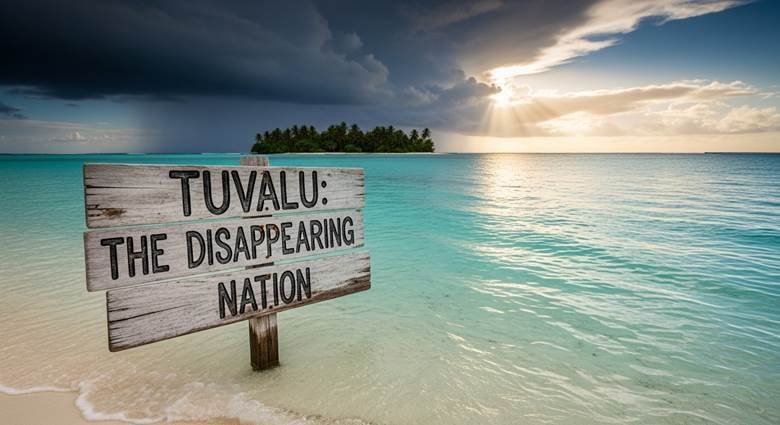
Tuvalu: The Disappearing Nation
Size: 26 square kilometers (10 square miles)
Population: Approximately 11,200 people
Location: Pacific Ocean, between Hawaii and Australia
Fun Fact: The country earns millions selling its internet domain “.tv”
The Story
Tuvalu is a Polynesian island nation made up of nine coral atolls. It’s one of the smallest countries in the world and, tragically, it might not exist much longer. Climate change and rising sea levels threaten to submerge Tuvalu entirely within the next 50-100 years.
The highest point in the entire country is just 4.6 meters (15 feet) above sea level. As oceans rise, Tuvalu is slowly disappearing. The government is already making plans to relocate the entire population to other countries.
But Tuvalu has a surprising income source: the internet. When domain names were assigned to countries, Tuvalu got “.tv”—one of the most valuable country domains ever. They sold the rights for millions of dollars, which accounts for about 10% of government revenue.
Why It’s Hard to Find on a Map
Tuvalu is scattered across the Pacific Ocean between Hawaii and Australia. The nine islands are spread out over 1 million square kilometers of ocean. Each individual island is tiny. Finding them on a map is nearly impossible unless you zoom way in.
The Numbers
- Area: 26 km² (10 sq mi)
- Population: ~11,200
- Highest Point: 4.6 meters above sea level
- Annual Income from “.tv” domain: $5-10 million
- Risk: May be uninhabitable by 2100 due to climate change
Why Visit
Tuvalu is remote and hard to reach (only two flights per week from Fiji). But it offers pristine beaches, incredible snorkeling, and authentic Polynesian culture. Visit soon—it might not be there forever.
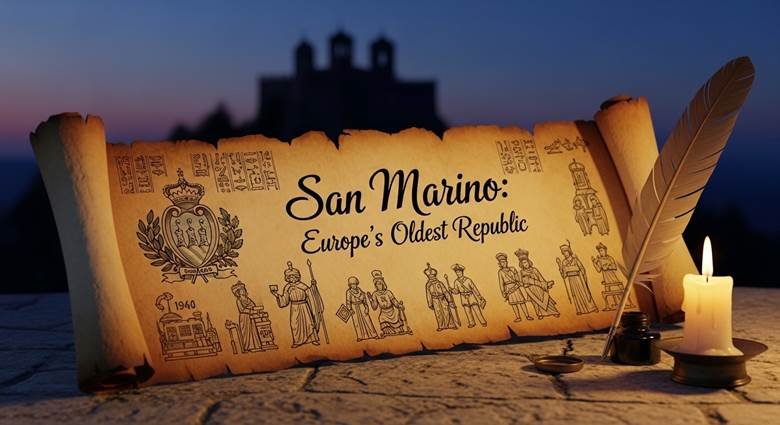
San Marino: Europe’s Oldest Republic
Size: 61 square kilometers (24 square miles)
Population: Approximately 34,000 people
Location: Surrounded by Italy (landlocked enclave)
Fun Fact: Founded in 301 AD—making it nearly 1,700 years old
The Story
San Marino claims to be the world’s oldest surviving republic, founded in 301 AD by a Christian stonemason named Saint Marinus. While that claim is debated by historians, San Marino definitely has one of the oldest constitutions still in effect (from 1600).
This tiny country is completely surrounded by Italy, located in the Apennine Mountains. Unlike Vatican City (which is also surrounded by Italy), San Marino is much larger and has a significant population.
San Marino is remarkably wealthy with very low unemployment. It’s also famous for having more vehicles than people—there are about 1.2 vehicles per person. The entire country has no national debt and maintains one of the highest GDPs per capita in the world.
Why It’s Hard to Find on a Map
San Marino is landlocked inside northeastern Italy. On world maps, it’s invisible. Even on maps of Italy, it’s just a small spot in the mountains. You need a detailed regional map to actually locate it properly.
The Numbers
- Area: 61 km² (24 sq mi)
- Population: ~34,000
- Founded: 301 AD (claimed)
- Unemployment: About 8%
- GDP per capita: Over $60,000
Why Visit
San Marino is gorgeous. The capital city (also called San Marino) sits atop Mount Titano with stunning views. There are medieval fortresses, cobblestone streets, and no border controls from Italy—just drive right in. Plus, it’s a tax-free shopping haven.
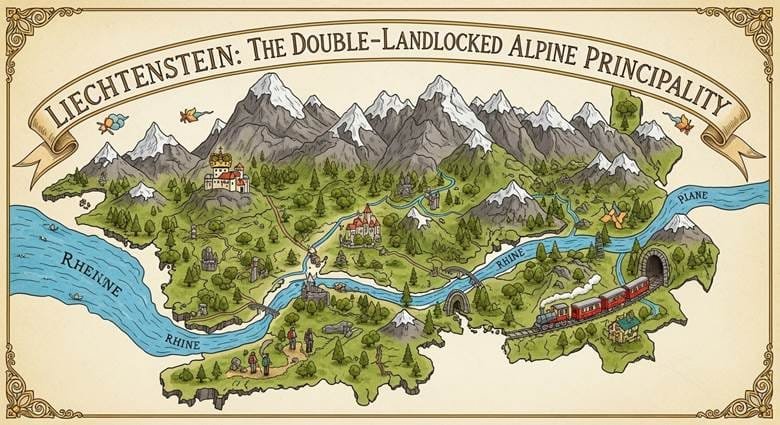
Liechtenstein: The Double-Landlocked Alpine Principality
Size: 160 square kilometers (62 square miles)
Population: Approximately 39,000 people
Location: Between Switzerland and Austria
Fun Fact: It’s one of only two double-landlocked countries in the world
The Story
Liechtenstein is a tiny principality in the Alps between Switzerland and Austria. It’s one of only two countries in the world that’s “double-landlocked”—meaning it’s surrounded only by other landlocked countries. (The other is Uzbekistan.)
Despite its small size, Liechtenstein is incredibly wealthy. It has one of the highest GDPs per capita in the world, fueled by banking, manufacturing, and being a tax haven. The unemployment rate is consistently under 2%. The country has no national debt and maintains a budget surplus.
Liechtenstein is ruled by Prince Hans-Adam II, who actually has significant political power (unlike most modern monarchs). In 2003, citizens voted to give the prince even more power, including the right to veto laws.
Why It’s Hard to Find on a Map
Liechtenstein is squeezed between two larger countries in the Alps. On world maps, it’s completely invisible. Even European maps struggle to show it clearly. It looks like part of Switzerland or Austria unless you zoom in closely.
The Numbers
- Area: 160 km² (62 sq mi)
- Population: ~39,000
- GDP per capita: Over $180,000
- Companies registered: Over 73,000 (more than twice the population!)
- Capital: Vaduz
Why Visit
Liechtenstein is beautiful, with Alpine scenery, excellent hiking, and charming villages. The capital Vaduz is tiny but scenic. You can get your passport stamped at the tourist office for 3 euros as a souvenir. Plus, you can visit two countries (Switzerland and Liechtenstein) in one day.
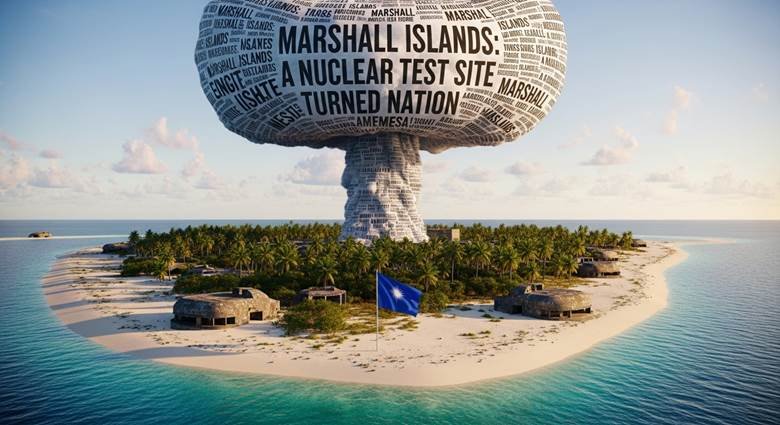
Marshall Islands: A Nuclear Test Site Turned Nation
Size: 181 square kilometers (70 square miles)
Population: Approximately 42,000 people
Location: North Pacific Ocean, near the equator
Fun Fact: Between 1946-1958, the US conducted 67 nuclear tests here
The Story
The Marshall Islands is a collection of 1,156 individual islands and islets spread across 29 coral atolls in the Pacific Ocean. If you’ve heard of Bikini Atoll, that’s part of the Marshall Islands—and yes, the swimsuit is named after it (the designer thought the bikini was as explosive as the atomic bomb).
From 1946 to 1958, the United States conducted 67 nuclear weapons tests in the Marshall Islands. The most famous test, Castle Bravo in 1954, was 1,000 times more powerful than the Hiroshima bomb. These tests contaminated several islands, and residents are still dealing with health and environmental consequences.
Today, the Marshall Islands is an independent nation (since 1979) with a close relationship with the US. The islands face serious threats from climate change—like Tuvalu, rising sea levels threaten to submerge much of the country.
Why It’s Hard to Find on a Map
The Marshall Islands are scattered across a vast area of the Pacific Ocean. The total land area is only 181 square kilometers, but it’s spread over more than 1.9 million square kilometers of ocean. Finding these tiny atolls on a map is extremely difficult.
The Numbers
- Area: 181 km² (70 sq mi)
- Population: ~42,000
- Number of islands: 1,156 (29 atolls)
- Nuclear tests conducted: 67 (1946-1958)
- Highest point: 10 meters above sea level
Why Visit
The Marshall Islands offer world-class diving, especially at Bikini Atoll (now safe from radiation). You can dive shipwrecks from WWII and see the effects of nuclear testing. It’s remote, expensive, and requires multiple flights—but for adventurous travelers, it’s unforgettable.
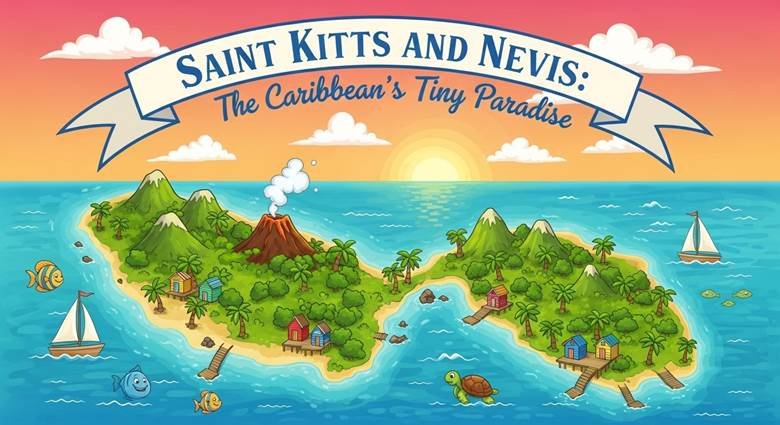
Saint Kitts and Nevis: The Caribbean’s Tiny Paradise
Size: 261 square kilometers (101 square miles)
Population: Approximately 47,000 people
Location: Eastern Caribbean Sea
Fun Fact: It’s the smallest sovereign state in the Western Hemisphere
The Story
Saint Kitts and Nevis is a two-island nation in the Caribbean. Despite its small size, it’s an independent country—the smallest in the Western Hemisphere by area. The country consists of Saint Kitts Island (168 km²) and Nevis Island (93 km²).
The islands were colonized by Britain and became a major sugar producer. Slavery and sugar plantations defined the economy for centuries. After abolition, the economy struggled until tourism and offshore banking became major industries.
Today, Saint Kitts and Nevis is known for its beaches, rainforests, and “citizenship by investment” program. For about $250,000, you can get full citizenship and a passport—one of the easiest citizenship programs in the world.
Why It’s Hard to Find on a Map
Saint Kitts and Nevis are two small islands in the Caribbean Sea, part of the Leeward Islands chain. On world maps, they’re invisible. Even Caribbean maps struggle to show them clearly among all the other small islands in the region.
The Numbers
- Area: 261 km² (101 sq mi)
- Population: ~47,000
- Tourism: Major industry
- Citizenship by Investment: Minimum $250,000
- Independence: 1983
Why Visit
Beautiful Caribbean beaches, lush rainforests, historic sites like Brimstone Hill Fortress (a UNESCO World Heritage Site), and friendly locals. Plus, it’s not as crowded as other Caribbean destinations.
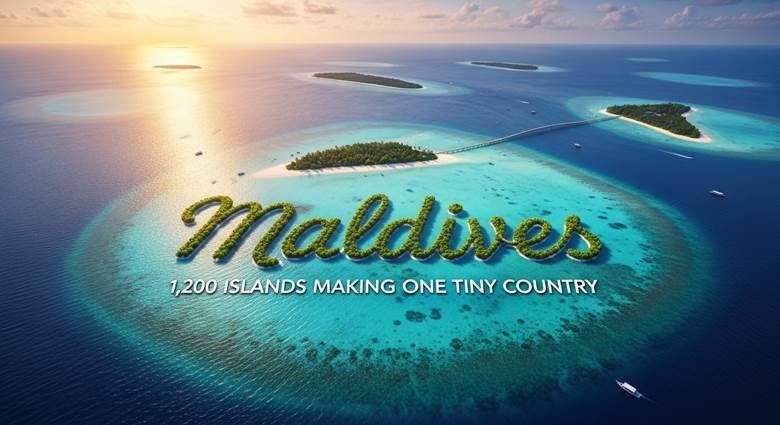
Maldives: 1,200 Islands Making One Tiny Country
Size: 298 square kilometers (115 square miles)
Population: Approximately 520,000 people
Location: Indian Ocean, southwest of India
Fun Fact: It’s the world’s lowest country—highest point is 2.4 meters (7.9 feet)
The Story
The Maldives is an archipelago of about 1,200 coral islands grouped into 26 atolls in the Indian Ocean. It’s one of the smallest countries in the world by land area, though it’s spread across a huge area of ocean.
Like Tuvalu, the Maldives faces an existential threat from climate change. It’s the world’s lowest-lying country, with an average elevation of just 1.5 meters (4.9 feet) above sea level. Rising sea levels could make the entire country uninhabitable within this century.
Despite its small size, the Maldives is a major tourist destination. Luxury resorts, overwater bungalows, crystal-clear waters, and incredible diving attract hundreds of thousands of tourists annually. Tourism accounts for about 60% of the country’s foreign revenue.
Why It’s Hard to Find on a Map
The Maldives is scattered across the Indian Ocean in 26 separate atolls. Each island is tiny. The entire land area is just 298 square kilometers spread over about 90,000 square kilometers of ocean. On most maps, it’s just a name with no visible islands.
The Numbers
- Area: 298 km² (115 sq mi)
- Population: ~520,000
- Number of islands: ~1,200 (200 inhabited)
- Average elevation: 1.5 meters above sea level
- Tourism: Over 1.7 million visitors in 2019
Why Visit
The Maldives is paradise. White sand beaches, turquoise waters, incredible snorkeling and diving, luxury resorts. It’s expensive, but if you can afford it, it’s worth it. Plus, you should visit while it’s still above water.
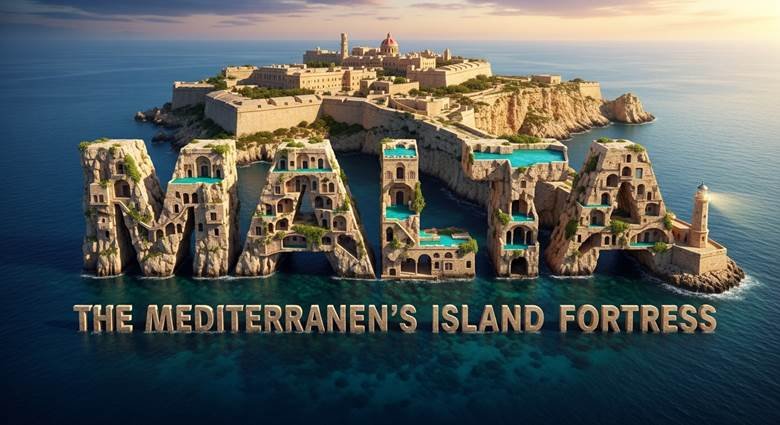
Malta: The Mediterranean’s Island Fortress
Size: 316 square kilometers (122 square miles)
Population: Approximately 520,000 people
Location: Mediterranean Sea, south of Sicily
Fun Fact: It’s one of the most densely populated countries in the world
The Story
Malta is an island nation in the Mediterranean Sea, about 80 kilometers south of Sicily. It consists of three main islands: Malta (the largest), Gozo, and Comino. Despite being one of the smallest countries in the world, Malta has a rich 7,000-year history.
Malta has been controlled by Phoenicians, Romans, Arabs, Knights of St. John, French, and British over the centuries. It gained independence from Britain in 1964 and joined the European Union in 2004.
Today, Malta is known for:
- Ancient megalithic temples (older than Stonehenge and the Egyptian pyramids)
- Medieval fortifications
- English-language schools (many Europeans study English in Malta)
- Film production (several famous movies were filmed here, including Gladiator and Game of Thrones)
- Being a tech and gaming hub
Why It’s Hard to Find on a Map
Malta is a small archipelago in the middle of the Mediterranean Sea between Sicily and North Africa. On world maps, it’s barely visible. Even Mediterranean maps struggle to show it clearly unless you zoom in.
The Numbers
- Area: 316 km² (122 sq mi)
- Population: ~520,000
- Density: About 1,600 people per km² (8th most dense in the world)
- EU member: Since 2004
- Official Languages: Maltese and English
Why Visit
Malta is amazing. The capital Valletta is a UNESCO World Heritage Site with stunning Baroque architecture. The ancient temples are incredible. The Mediterranean climate is perfect. English is widely spoken. And it’s affordable compared to other Mediterranean destinations.
The Pattern: What These Smallest Countries in the World Have in Common
After exploring these tiny nations, several interesting patterns emerge:
1. Location Matters
Most of the smallest countries in the world fall into a few categories:
- European microstates: Vatican City, Monaco, San Marino, Liechtenstein, Malta
- Pacific island nations: Nauru, Tuvalu, Marshall Islands
- Caribbean islands: Saint Kitts and Nevis
- Indian Ocean islands: Maldives
2. Many Are Islands
Seven of the ten are either island nations or located on islands. Small islands naturally become small countries. Continental microstates are rarer and often have unique historical circumstances explaining their existence.
3. History Explains Everything
None of these countries are small by accident. Vatican City exists because of the Catholic Church. Monaco survived because of diplomatic maneuvering. San Marino stayed independent because it was too remote to bother conquering. Island nations gained independence when European empires collapsed.
4. Climate Change Is a Threat
Tuvalu, the Marshall Islands, and the Maldives are all threatened by rising sea levels. These low-lying island nations could become uninhabitable within our lifetimes. Several are already making plans to relocate entire populations.
5. Many Are Surprisingly Wealthy
Monaco, Liechtenstein, San Marino, and Malta all have high GDPs per capita. Small size doesn’t mean poverty—in fact, several of these countries are among the wealthiest per capita in the world.
Interactive Challenge: Test Your Geography Skills
Ready to see if you can actually find these countries on a map? Try this challenge:
The Micro-Nation Map Quiz
Without looking at a map first, try to answer these questions:
□ Which continent is San Marino on?
□ Name the two countries that border Liechtenstein
□ Which ocean are the Marshall Islands in?
□ Which European country completely surrounds Vatican City?
□ Is Nauru closer to Australia or Hawaii?
□ Which two islands make up Saint Kitts and Nevis?
□ What sea is Malta located in?
□ Which ocean are the Maldives in?
□ Which famous European country is Monaco bordered by?
□ Is Tuvalu in the Atlantic or Pacific Ocean?
Scoring:
- 9-10 correct: Geography expert! You definitely paid attention in school.
- 7-8 correct: Pretty good! You know more than most people.
- 5-6 correct: Not bad! You got the basics down.
- 3-4 correct: You tried! Keep learning.
- 0-2 correct: No worries—that’s why you’re reading this article!
Answers: Europe; Switzerland and Austria; Pacific; Italy; Australia; Saint Kitts Island and Nevis Island; Mediterranean; Indian; France; Pacific.
Why You Should Care About These Tiny Nations
You might be thinking: “Okay, these countries are small. So what?”
Here’s why they matter:
1. They’re Real Places with Real People
These aren’t just dots on a map. They’re countries with cultures, histories, and people living full lives. Understanding them broadens your worldview.
2. Climate Change Awareness
Several of these countries might disappear due to rising sea levels. Their plight should motivate us to take climate action seriously.
3. They Challenge Assumptions
These tiny nations prove that size doesn’t determine significance. Vatican City influences over a billion people. Monaco hosts one of the world’s most famous races. Tuvalu’s “.tv” domain powers streaming services globally.
4. Travel Inspiration
Many of these countries are beautiful and accessible. Adding them to your travel bucket list means visiting places most tourists overlook.
5. Trivia Night Domination
Let’s be honest—knowing these facts makes you sound smart at parties.
Frequently Asked Questions
What’s the difference between the smallest country by area vs. by population?
Vatican City is smallest by both area (0.44 km²) and population (~825 people). But the rankings differ after that. For example, the Maldives has a small area but a large population (520,000), while Greenland has a small population but a large area.
Are there any tiny countries in Africa or South America?
Not really. Africa’s smallest country is Seychelles (455 km²), which is larger than anything on this list. South America has no particularly small countries. The smallest is Suriname at 163,820 km²—huge compared to these micro-nations.
Do you need a passport to visit these countries?
It depends. Vatican City requires no passport—just walk in from Rome. Monaco and San Marino also have no border controls from France and Italy respectively. But island nations like Tuvalu, Nauru, and the Maldives definitely require passports and usually visas.
Could these countries be absorbed by larger neighbors?
Technically yes, but politically unlikely. These nations are all recognized by the United Nations and have protected sovereignty. Plus, most have strategic or financial value that makes absorption undesirable for both parties.
Why isn’t Singapore on this list?
Singapore (728 km²) is small but not small enough to crack the top 10 tiniest countries. It’s about 2.3 times larger than Malta, which barely made this list at #10.
Are any of these countries dangerous to visit?
Not particularly. Vatican City, Monaco, San Marino, Liechtenstein, Malta, the Maldives, and Saint Kitts and Nevis are all very safe. Nauru and Tuvalu are safe but have limited infrastructure. The Marshall Islands are safe in inhabited areas.
Can I visit all 10 in one trip?
Not practically. They’re spread across four continents and multiple oceans. But you could visit the European ones (Vatican City, Monaco, San Marino, Liechtenstein, Malta) in a week or two with good planning.
Take Action: Make Geography Fun Again
Now that you know about these tiny nations, here’s what to do next:
Step 1: Open Google Maps or Google Earth
Zoom in and find each of the 10 countries we discussed. See how small they really are. Explore the satellite view. Look at the landscapes. Make them real in your mind.
Step 2: Pick One to Research Deeper
Choose the country that interests you most. Spend 30 minutes reading about its history, culture, and current events. Watch YouTube videos from travelers who’ve visited.
Step 3: Add One to Your Travel Bucket List
Which of these countries would you actually want to visit? Research flights, accommodations, and costs. Make a realistic plan to visit within the next 5 years.
Step 4: Test Your Friends
Ask them the quiz questions from this article. See if they can name even five of the smallest countries in the world. Share this article with anyone who gets stumped (or just wants to learn something cool).
Step 5: Stay Curious About Geography
Geography isn’t just memorizing capitals. It’s about understanding our world, respecting different cultures, and appreciating the diversity of human societies. Keep learning. Keep exploring.
These tiny nations remind us that our world is more diverse, interesting, and complex than we often realize. Every country—no matter how small—has stories worth discovering.
Which tiny country surprised you most? Which one will you visit first?
About This Article: This guide explored 10 of the smallest countries in the world, with all geographic data, population figures, and historical facts verified through Britannica, World Population Review, United Nations data, and official government sources. All information is factual and current as of 2025.
Want to explore more? Check out Google Earth, CIA World Factbook, and official tourism websites for each country to learn more about these fascinating micro-nations.
All facts verified from authentic sources including Britannica, UN data, World Population Review, CIA World Factbook, and official government statistics. No fictional or speculative information presented as fact.