
Ever walk into a store for “just one thing” and walk out with a cart full of stuff you didn’t plan to buy?
Yeah, me too. And it’s not our fault.
Well, it’s partially our fault. But mostly, it’s because brands are playing mind games with us. Professional, scientifically-proven, ridiculously effective mind games.
Here’s the truth: the advertising market worldwide is expected to hit $1.158 trillion in 2025. That’s trillion with a T. Companies aren’t spending that kind of money just to remind you their products exist. They’re spending it to hack your brain and make you want things you don’t need.
These marketing psychology tricks aren’t new. Brands have been using them for decades. But they’ve gotten so sophisticated that most of us don’t even realize we’re being manipulated until we’re staring at our credit card statement wondering, “Why did I buy a $300 blender when I don’t even cook?”
Today, we’re pulling back the curtain. You’re about to discover 10 psychological tricks that brands use to make you spend more money. More importantly, you’ll learn how to spot these tactics and protect your wallet.
Ready to see how deep the rabbit hole goes? Let’s dive in.
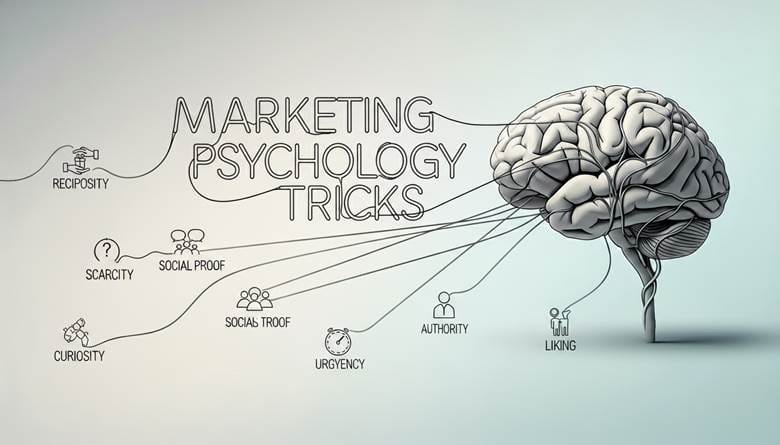
Why These Tricks Work (And Why You Should Care)
Before we jump into the specific tricks, let’s talk about why they’re so effective.
Your brain has two systems for making decisions:
- System 1: Fast, automatic, emotional thinking
- System 2: Slow, deliberate, logical thinking
Most of our purchasing decisions happen in System 1. We see something. We want it. We buy it. The whole process takes seconds, and logic barely enters the equation.
Brands know this. They’ve hired behavioral economists, neuroscientists, and marketing psychologists to figure out exactly how to trigger System 1 and bypass your logical brain.
The result? You end up buying things you didn’t plan to buy, at prices higher than you wanted to pay, and you somehow feel good about it.
But here’s the good news: Once you know how these tricks work, they lose their power. Awareness is your best defense.
So let’s get aware.
The Dollar Sign Disappearing Act
The Trick: Remove dollar signs from prices to reduce the “pain of paying.”
How It Works:
Ever notice how fancy restaurants list prices like “25” instead of “$25”? That’s not a formatting mistake. It’s a deliberate psychological tactic.
Cornell University conducted a study at St. Andrew’s Café in New York. They gave diners one of three menus:
- Menu A: Prices with dollar signs ($20.00)
- Menu B: Prices without dollar signs (20)
- Menu C: Prices written out (twenty dollars)
The results were stunning. Diners who received the menu without dollar signs spent an average of $5.55 more per person—that’s an 8.15% increase compared to those who saw menus with dollar signs.
Why does this work? The dollar sign is a symbol of loss. When you see it, your brain activates what researchers call the “pain of paying.” It’s a psychological response that makes you hesitate before spending.
Remove the dollar sign, and that pain decreases. Your brain doesn’t immediately register that you’re spending money. The number “25” looks less painful than “$25” even though they’re the exact same amount.
Where You’ll See This:
- High-end restaurants (menus say “25” not “$25”)
- Luxury hotels (room rates show “350” not “$350”)
- Premium e-commerce websites
- Spa and wellness centers
- Travel booking sites
How to Protect Yourself:
Mentally add the dollar sign back. When you see “25” on a menu, consciously think “$25.” This simple act reactivates your brain’s natural spending inhibition and helps you make more rational decisions.
The Magic of .99 Pricing
The Trick: Price items at $9.99 instead of $10 to make them seem significantly cheaper.
How It Works:
You’ve seen this everywhere. $19.99. $49.99. $99.99. It’s called “charm pricing,” and it’s one of the oldest marketing psychology tricks in the book.
A New York University study tested whether pricing something at $4.99 versus $5.00 really made a difference. It absolutely does. Consumers were significantly more likely to purchase the $4.99 item, even though it’s just one cent cheaper.
This works because of two psychological principles:
The Left-Digit Effect: Our brains read numbers from left to right. When we see $9.99, we focus on the “9” more than the “.99.” Our brain categorizes it closer to $9 than $10, even though logically we know it’s almost $10.
Perceived Value: Prices ending in .99 signal a deal or discount. We’ve been conditioned to believe these prices mean we’re getting a bargain, even when we’re not.
Real-World Impact:
Research published in Quantitative Marketing and Economics found that this trick works with bigger numbers too. Consumers were more likely to choose a $49 dress over a $50 dress, even though they’re virtually the same price.
Where You’ll See This:
- Retail stores (almost everything ends in .99)
- Online shopping (Amazon practically invented this)
- Gas stations ($3.99 per gallon, not $4.00)
- Supermarkets (sales advertised at $2.99, not $3.00)
How to Protect Yourself:
Round up mentally. When you see $19.99, think “$20.” When you see $99.99, think “$100.” This removes the psychological advantage and helps you evaluate the true cost.
The Decoy Effect (AKA The Middle Option Trick)
The Trick: Add a strategically bad option to make another option look like a better deal.
How It Works:
This is sneaky. Really sneaky.
Behavioral economist Dan Ariely tested this with The Economist’s subscription pricing:
- Online only: $59
- Print only: $125
- Print + Online: $125
Notice something weird? Why would anyone choose print-only for $125 when they could get print + online for the same price?
They wouldn’t. And that’s the point.
The print-only option is the decoy. It makes the print + online option look like an amazing deal. When Ariely removed the decoy and just offered “online only for $59” or “print + online for $125,” most people chose the cheaper online-only option.
But when the decoy was present, 84% of people chose the more expensive print + online option.
The decoy created the illusion of smart decision-making while guiding people to spend more.
Where You’ll See This:
- Software subscriptions (Adobe Creative Cloud’s middle plan looks deliberately worse)
- Fast food combos (“large for just 50 cents more!”)
- Movie theater popcorn (medium is often just $1 less than large)
- Gym memberships (6-month option is oddly priced to make 12-month look better)
- Streaming services (basic plan is intentionally limited)
How to Protect Yourself:
Ignore the middle option completely. Only compare the cheapest option to the most expensive option. Ask yourself: “Do I actually need the extra features, or am I just comparing it to the decoy?”
Scarcity: The FOMO Machine
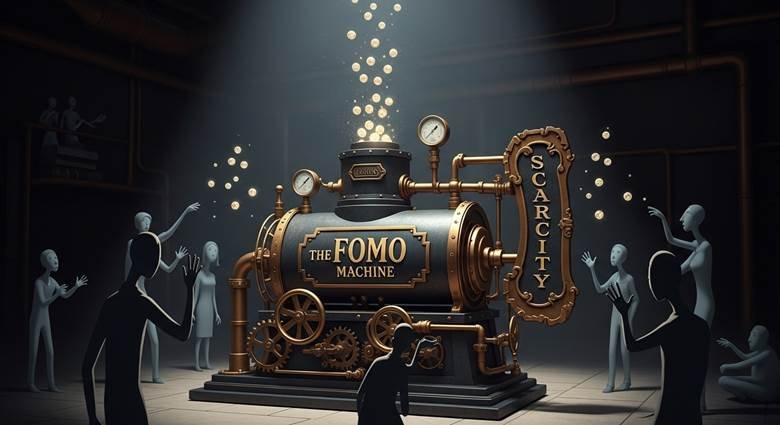
The Trick: Create artificial scarcity to trigger fear of missing out (FOMO).
How It Works:
- “Only 2 left in stock!”
- “10 people are viewing this item right now!”
- “Sale ends in 3 hours!”
Sound familiar? These messages trigger a primal fear: the fear of missing out.
Scarcity psychology is powerful because humans are hardwired to value rare things more than abundant things. When we think something is running out, we want it more—even if we didn’t want it five minutes ago.
The dark side: Many of these scarcity alerts are misleading or outright fake.
Booking.com and similar travel sites use alerts like “Only 1 room left!” or “Last booked 3 minutes ago!” Investigations have shown these alerts are often based on general website traffic, not actual availability.
E-commerce sites use countdown timers that reset daily. The “limited-time offer” isn’t actually limited—it runs perpetually.
Research Findings:
One study found that adding “maximum 8 cans per customer” to soup can price tags caused sales to jump, even when no actual discount was offered. The restriction alone created the illusion of high demand.
Where You’ll See This:
- Booking.com and hotel sites (“Only 1 room left!”)
- Amazon (“Only 3 left in stock – order soon”)
- Fashion websites (“Limited edition – selling fast!”)
- Event ticket sales (“75% sold out!”)
- Flash sale websites (countdown timers everywhere)
How to Protect Yourself:
Wait 24 hours. If you see a “limited time offer,” bookmark it and come back tomorrow. If the offer is genuinely limited, you’ve had time to make a rational decision. If it’s still there (which it often is), you’ve called their bluff.
The “Free” Trap
The Trick: Offer something “free” to make you spend more overall.
How It Works:
The word “free” is magic. It flips a mental switch that overrides rational thinking.
When Amazon introduced “Free Shipping on orders over $25,” customer behavior changed instantly. Cart sizes increased dramatically. People added items they didn’t need just to reach the $25 threshold and avoid the $3.99 shipping fee.
Think about that. They spent an extra $10 to save $4 on shipping. That’s not logical. That’s the power of “free.”
Academic Experiments:
Studies show people will take lower-value “free” items over higher-value alternatives that cost a small amount. Free trials convert better than paid trials, even when users know they’ll probably forget to cancel.
“Buy one, get one free” promotions often have higher profit margins than regular discounts. Why? Because “free” sounds better than “50% off,” even though they’re mathematically identical.
The Psychology:
Free removes the pain of paying entirely. We don’t calculate whether the deal is actually good. We just hear “free” and our brain says, “Yes! We won something!”
Where You’ll See This:
- Amazon Prime (free shipping makes you buy more)
- Buy one, get one free sales (you’re usually paying full price for both)
- Free samples at Costco (you buy the product because you feel obligated)
- Free trials (that auto-renew at full price)
- “Free gift with purchase” promotions (minimum purchase required)
How to Protect Yourself:
Calculate the actual cost. If shipping is $5 and you’re adding a $10 item to get “free shipping,” you’re paying $10 to save $5. That’s not free. That’s a $5 surcharge on something you didn’t want.
Emotional Advertising: Feelings Over Facts
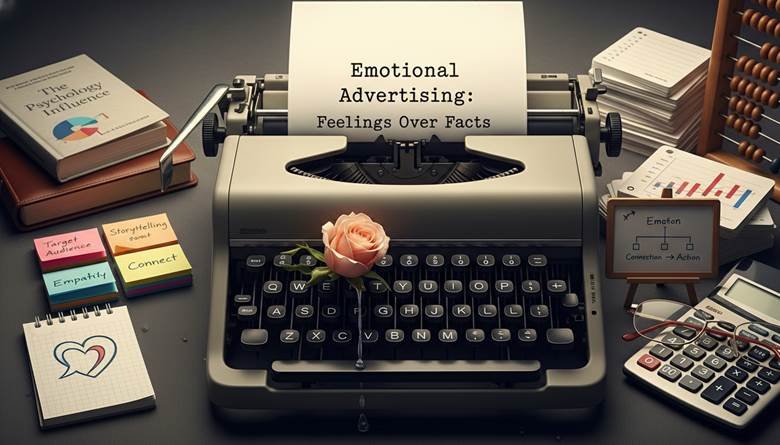
The Trick: Appeal to emotions rather than demonstrating product features.
How It Works:
Studies have proven that emotional appeals are more effective in marketing than logical feature demonstrations. Humans are emotional beings. We like to think we make rational decisions, but we don’t.
Brands create emotional connections to increase perceived value. By appealing to your desires, fears, or aspirations, they make you feel like you need their product to fulfill those emotions.
Classic Examples:
Nike: Doesn’t sell shoes. Sells the feeling of athletic achievement (“Just Do It”).
Coca-Cola: Doesn’t sell soda. Sells happiness and togetherness (holidays, polar bears, “Share a Coke”).
Apple: Doesn’t sell computers. Sells creativity, innovation, and status (“Think Different”).
These brands create aspirational identities. Buy our product, and you become this type of person.
The Research:
Emotional advertising works because it bypasses logical evaluation. When you feel connected to a brand emotionally, you’re more likely to:
- Pay premium prices
- Remain loyal even when cheaper alternatives exist
- Recommend the brand to others
- Ignore negative information about the brand
Where You’ll See This:
- Super Bowl commercials (designed to make you cry or laugh, not inform)
- Luxury brand advertising (selling status and identity)
- Charity marketing (guilt, compassion, hope)
- Car commercials (adventure, freedom, family)
- Perfume ads (romance, confidence, mystery)
How to Protect Yourself:
Ask the rational question: “What does this product actually do, and do I need that function?” Separate the emotional appeal from the practical value. A $200 pair of sneakers won’t actually make you more athletic than a $60 pair with similar features.
Anchoring: The First Price Sets the Standard

The Trick: Show an expensive option first to make other prices seem reasonable.
How It Works:
Imagine you’re shopping for a dress. You see two options:
- Option A: $49
- Option B: $50
They seem pretty similar, right?
Now imagine you see these options:
- Luxury Option: $199
- Mid-Range Option: $89
- Budget Option: $49
Suddenly, the $49 dress seems like an amazing deal. The $89 option looks reasonable. Even the $199 option doesn’t seem that crazy.
What changed? Only the context. The $199 “anchor” made everything else look cheaper by comparison.
Restaurant Example:
High-end restaurants deliberately include extremely expensive items on the menu (the “$155 steak”). Most people won’t order it. But it makes the $45 entrées look like a bargain by comparison.
One wine researcher found that restaurants could increase wine sales simply by adding a few very expensive wines to the menu. Customers would then choose mid-priced wines that suddenly seemed affordable.
The Psychology:
When we make decisions, we don’t consider absolute value. We consider relative value. We base our decision on whether we’re getting a good deal compared to some alternative, not whether we actually need or can afford the item.
Where You’ll See This:
- Restaurant menus (one ridiculously expensive item makes others seem reasonable)
- Real estate (showing you an overpriced house first makes the next one seem better)
- Retail stores (expensive items displayed prominently, even if they don’t sell)
- Electronics (the $1,200 laptop makes the $800 one seem affordable)
How to Protect Yourself:
Research prices before shopping. Know what similar products actually cost. Don’t let the first price you see set your expectations. Always ask: “What is this actually worth to me?” not “Is this cheaper than the most expensive option?”
The Power of Color
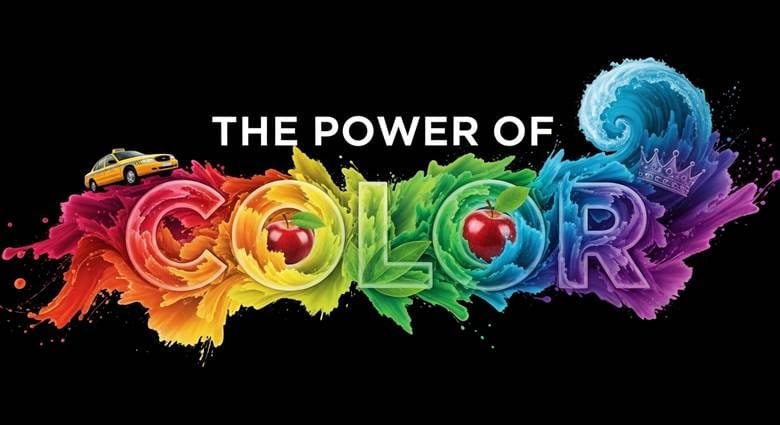
The Trick: Use specific colors to trigger psychological responses and influence buying behavior.
How It Works:
Color isn’t decoration. It’s a psychological signal designed to influence your subconscious mind.
Research found that 90% of snap product judgments are based on color alone. That’s massive.
Real-World Examples:
Red and Yellow (Fast Food): McDonald’s, KFC, Burger King, In-N-Out—they all use red and yellow. Why? These colors trigger hunger and create a sense of urgency. Red increases heart rate and stimulates appetite. Yellow evokes happiness and captures attention.
Blue (Trust and Calm): Facebook, Twitter, PayPal, American Express—blue dominates tech and finance because it signals trust, security, and stability.
Green (Health and Growth): Whole Foods, Starbucks, Subway—green represents health, nature, and freshness.
Black (Luxury): Chanel, Prada, Louis Vuitton—black signals sophistication, exclusivity, and premium quality.
Coca-Cola Case Study:
Coca-Cola has used its distinctive red color for over 130 years. Research shows that 94% of the world recognizes Coca-Cola’s color palette. This isn’t an accident. The company has teams of researchers dedicated to maintaining and leveraging this color psychology.
Where You’ll See This:
- Fast food restaurants (red/yellow for hunger)
- Luxury brands (black/gold for status)
- Healthcare (white/blue for cleanliness and trust)
- Environmental products (green for sustainability)
- Sale signs (red to create urgency)
How to Protect Yourself:
Be aware of how colors make you feel. When you’re attracted to a product, ask yourself: “Am I drawn to this because I actually want it, or because the colors are making me feel a certain way?”
Bundle Pricing: The Illusion of Savings
The Trick: Package products together at a “discounted” price that makes you spend more overall.
How It Works:
“Buy the combo and save!”
Sounds good, right? But here’s the reality: bundle pricing rarely saves you money compared to buying only what you actually need.
Fast food combos are a perfect example. You can buy a burger for $5, or you can get the “combo meal” with fries and a drink for $8.
The combo feels like a better deal. You’re getting three items for $8 instead of just one for $5. But did you actually want the fries and drink? If not, you just spent an extra $3 on things you didn’t need to save money on things you didn’t want.
The Psychology:
Bundle pricing creates “perceived value.” Your brain sees more items and assumes more value, even when the individual items aren’t things you’d normally buy.
Retailers strategically create bundles with high-margin items. That “discounted” bundle often has better profit margins than selling items individually.
Software Industry Example:
Adobe Creative Cloud offers multiple pricing tiers. The “all apps” bundle seems like an amazing deal compared to buying apps individually. But if you only need Photoshop and Illustrator, you’re paying for 18+ other apps you’ll never use.
Where You’ll See This:
- Fast food combos (burger, fries, drink)
- Cable/internet packages (500 channels you don’t watch)
- Software subscriptions (all-inclusive plans)
- Retail “gift sets” (multiple products packaged together)
- “Buy the complete collection” offers
How to Protect Yourself:
Calculate the individual cost of only the items you actually need. Compare that to the bundle price. Often, you’ll find that buying just what you need costs less than the “discounted” bundle.
Social Proof: Everyone Else Is Doing It
The Trick: Show that other people are buying/using the product to make you want to follow.
How It Works:
Humans are social creatures. We look to others for guidance on how to behave. This tendency is called “social proof,” and marketers exploit it relentlessly.
Forms of Social Proof:
Customer Reviews: “4.8 stars from 15,000 reviews!” – signals popularity and quality
User Numbers: “Join 10 million satisfied customers!” – if this many people use it, it must be good
Celebrity Endorsements: If a celebrity uses it, you’ll want to use it too
Influencer Marketing: 40% of people have purchased something based on an influencer’s recommendation
“Bestseller” Labels: “Amazon’s #1 bestseller in this category!” – creates bandwagon effect
The Dark Side:
Some companies create fake social proof. Makeup brand Sunday Riley was caught instructing employees to write fake Sephora reviews. The CEO even provided instructions on how to avoid getting caught.
Many “verified buyer” reviews are purchased or incentivized. The Federal Trade Commission has cracked down on this, but it still happens.
Research Shows:
Studies on consumer behavior find that people tend to follow the actions of others, even when those actions might not make logical sense. We assume that if many people are doing something, they must know something we don’t.
Where You’ll See This:
- Amazon (star ratings and review counts prominently displayed)
- Hotels and restaurants (Yelp and TripAdvisor ratings)
- E-commerce sites (“2,500 people bought this yesterday!”)
- Software companies (“Trusted by Fortune 500 companies”)
- Courses and info products (“10,000 students enrolled!”)
How to Protect Yourself:
Read reviews critically. Look for verified purchases. Check multiple sources. Be especially skeptical of 5-star reviews that sound too perfect or 1-star reviews that seem suspiciously angry. Real reviews usually fall in the 3-4 star range and include specific details about actual use.
The Common Thread: These Marketing Psychology Tricks Target Your Subconscious
After looking at these 10 psychological tricks, you might notice a pattern. None of these tactics appeal to your logical brain. They’re all designed to trigger emotional, automatic responses that bypass rational thinking.
The brands using these tricks aren’t evil. They’re just doing what works. Marketing has evolved from showcasing product features to understanding and influencing consumer behavior.
But you don’t have to be a victim of these marketing psychology tricks. Awareness is your superpower.
Your Anti-Manipulation Toolkit: How to Shop Smarter
Now that you know the tricks, here’s how to protect yourself:
1. The 24-Hour Rule
For any non-essential purchase over $50, wait 24 hours before buying. This gives your logical brain time to catch up with your emotional impulses.
2. Make a List (and Stick to It)
Before shopping, write down exactly what you need. Don’t deviate. If it’s not on the list, you don’t buy it—no matter how good the “deal” seems.
3. Set a Budget
Decide how much you’ll spend before you start shopping. Once you hit that number, you’re done. This prevents impulse purchases driven by psychological triggers.
4. Question the Emotion
When you feel a strong urge to buy something, ask: “Am I excited about this product, or am I excited about how the marketing made me feel?”
5. Calculate True Cost
- Remove the psychological pricing (.99 → .00)
- Add back dollar signs (25 → $25)
- Consider bundle items individually
- Factor in shipping/fees/subscriptions
6. Research Before You Shop
Know the actual market prices for what you want. Don’t let anchoring, decoys, or “sale prices” set your expectations.
7. Ignore Artificial Urgency
If a deal is good today, a similar deal will probably exist next week. Real scarcity is rare. Manufactured scarcity is everywhere.
8. Read Reviews Critically
Look for verified purchases. Check multiple sources. Be skeptical of perfect reviews. Focus on 3-4 star reviews that discuss actual pros and cons.
Interactive Challenge: Spot the Trick
Ready to test your new knowledge? Next time you shop (online or in-store), play this game:
The Psychological Trick Spotting Game
Keep score of how many marketing psychology tricks you identify:
□ Prices without dollar signs
□ .99 pricing
□ Decoy options (suspiciously bad middle choice)
□ Scarcity alerts (“only X left!”)
□ “Free” offers with minimum purchase
□ Emotional advertising (no product info, all feelings)
□ Anchoring (expensive option shown first)
□ Strategic color use
□ Bundle deals
□ Social proof (reviews, testimonials, user counts)
Bonus Challenge: Try to make a purchase using only logic, no emotion. Can you do it?
Share your results! Did you find all 10 tricks in one shopping session? Were you surprised by how many you spotted?
Real Talk: You’ll Still Fall for These Tricks Sometimes
Here’s something important: Even after reading this article, you’ll still get caught by these tricks occasionally. I do too. We all do.
Why? Because these psychological triggers are deeply wired into human behavior. They evolved over millions of years. A blog post can’t undo evolutionary psychology.
But that’s okay.
The goal isn’t perfection. The goal is awareness. Every time you catch yourself falling for a trick, you’re getting better. Every purchase you delay or reconsider is a win. Every time you calculate the true cost instead of falling for the emotional appeal, you’re taking back control.
These marketing psychology tricks will keep evolving. Brands will find new ways to influence your decisions. But now you have the framework to spot them.
The Bottom Line
Brands spent $1.158 trillion on advertising in 2025 because these psychological tricks work. They’re not going anywhere.
But you’re not helpless. You’ve now got insider knowledge on how these tactics work. You understand the psychology behind pricing tricks, scarcity alerts, emotional appeals, and social proof.
Knowledge is power. Use it.
The next time you’re about to make a purchase:
- Pause
- Identify which psychological tricks are at play
- Ask if you actually need/want the item or if you’re being manipulated
- Make a decision based on logic, not emotion
Will this make shopping less fun? Maybe a little. But it’ll definitely make it less expensive.
And honestly, there’s a different kind of satisfaction in outsmarting marketing tricks than in getting what you thought was a “great deal” only to realize later you got played.
So go forth and shop smarter. Your wallet will thank you.
Frequently Asked Questions
Are these marketing psychology tricks legal?
Yes, most of them are completely legal. They’re persuasive techniques, not fraud. However, some practices cross into illegal territory—like fake reviews, false advertising, or deceptive pricing. Regulatory bodies like the FTC monitor and prosecute genuinely deceptive practices.
Do expensive brands use more psychological tricks than budget brands?
Not necessarily. All brands use these tricks, regardless of price point. Luxury brands might focus more on emotional appeals and exclusivity, while budget brands might emphasize value and scarcity. The techniques are universal—only the application differs.
Can I ever trust a “sale” or “limited time offer”?
Some sales are genuine (seasonal clearances, actual overstock situations). But many “limited time offers” are perpetual—they just reset. True limited editions from reputable brands are usually legitimate. The key is researching the brand’s history. If they run the same “limited time sale” every week, it’s not limited.
Why do these tricks still work on people who know about them?
Because they target automatic, subconscious responses. Knowing about the left-digit effect doesn’t stop your brain from processing $9.99 differently than $10. Awareness helps you catch yourself and correct course, but it doesn’t eliminate the initial psychological response.
Is impulse buying always bad?
No! Sometimes impulse purchases bring genuine joy. The problem is when impulse buying becomes the default mode driven by psychological manipulation rather than genuine desire. Occasional impulse purchases are fine. Constant impulse purchases that strain your budget are the issue.
How can I teach my kids to recognize these tricks?
Point them out in real-time. When watching ads together, ask: “What feeling are they trying to make us have?” When shopping, show them the .99 trick and ask them to round up. Make it a game to spot psychological tricks. This builds critical thinking skills that serve them for life.
Do online stores use more tricks than physical stores?
They use different tricks. Physical stores use layout design (the Gruen effect), scent marketing, and strategic product placement. Online stores use urgency timers, social proof notifications, and algorithmic personalization. Both are equally manipulative—just different methods.
What’s the single most effective way to avoid overspending?
The 24-hour rule for non-essential purchases. Most psychological tricks work because they create urgency and emotion. Waiting 24 hours lets those feelings subside and allows rational thinking to kick in. It’s simple but incredibly effective.
Take Action Today
Now it’s your turn. Here’s what to do next:
Step 1: Share this article with someone who needs to see it. We all know someone who could use these insights (maybe it’s you!).
Step 2: Try the Psychological Trick Spotting Game during your next shopping trip. See how many of these marketing psychology tricks you can identify.
Step 3: Implement just ONE of the protection strategies from this article. Start with the 24-hour rule or making a shopping list. Master one technique before adding another.
Step 4: Track your spending for the next month. See if awareness of these tricks changes your purchasing behavior. Most people report spending 10-20% less just by being more mindful.
Remember: Brands have teams of experts working to separate you from your money. But you’ve got something they don’t: awareness of their tactics.
Shop smarter. Spend less. Keep more of your hard-earned money.
You’ve got this.
About This Article: This guide analyzed 10 psychological tricks brands use to influence consumer spending, with all claims verified through academic research, peer-reviewed studies, and documented consumer behavior analysis. All statistics and examples are factual and sourced from reputable publications.
Want more insights? Check out research from Cornell University’s Center for Hospitality Research, academic journals on consumer behavior, and behavioral economics studies for deeper dives into marketing psychology.